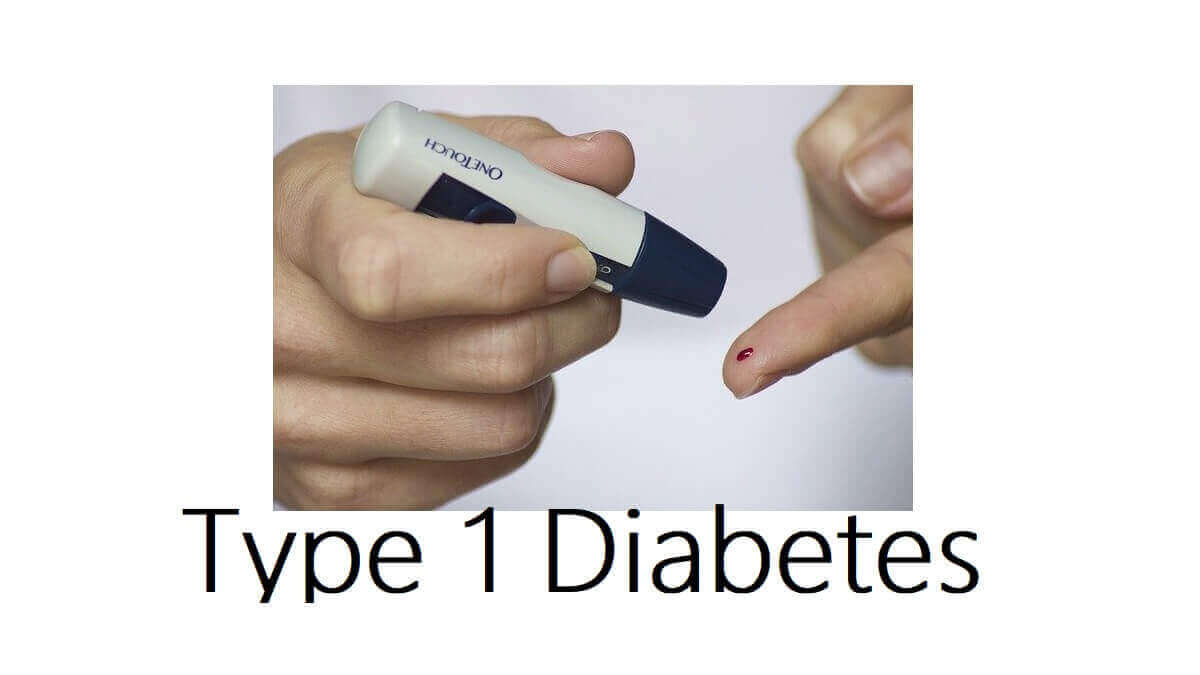
Benfotiamine is a fat-soluble form of vitamin B1 (thiamine) that has attracted growing attention in recent years. Originally developed by Japanese scientists in 1962, this unique nutrient offers a more bioavailable form of thiamine—allowing the body to absorb and utilize it more effectively than traditional B1 supplements.
For decades, researchers have studied Benfotiamine for its impressive role in nerve protection, metabolic balance, and antioxidant support. Today, it’s often used by people managing diabetes, neuropathy, or chronic fatigue who want a natural way to support their body’s energy and nerve function.
What Is Benfotiamine and How Does It Work?
Thiamine (vitamin B1) is essential for converting carbohydrates into energy. Unfortunately, the human body cannot store much thiamine, and deficiency can quickly affect the nervous system and metabolism. Benfotiamine helps solve this problem.
Unlike regular thiamine, Benfotiamine is fat-soluble, meaning it can easily cross cell membranes and reach nerve and brain tissue. Once inside the cell, it increases levels of thiamine pyrophosphate (TPP) — the active form that supports energy metabolism and nerve repair.
In simpler terms, Benfotiamine helps cells “breathe” better by enhancing glucose metabolism and reducing oxidative stress — a process that contributes to many chronic conditions.
Benfotiamine Benefits
1. Helps Prevent Diabetic Complications
One of the most studied Benfotiamine benefits is its ability to reduce the formation of advanced glycation end products (AGEs) — harmful compounds linked to diabetes complications like neuropathy, retinopathy, and kidney disease.
By blocking AGE formation, Benfotiamine helps protect blood vessels and nerves from long-term damage.
2. Supports Nerve Regeneration
Benfotiamine promotes the repair of damaged nerve cells and improves their communication. Many people with diabetic neuropathy report reduced tingling, numbness, and burning sensations after consistent use.
3. Reduces Nerve Pain and Tingling
Because of its ability to restore normal nerve signaling, Benfotiamine is often used as a natural aid for nerve pain. It works by improving the conduction of nerve impulses and reducing oxidative damage that amplifies discomfort.
4. Protects the Brain from Oxidative Stress
Oxidative stress plays a key role in cognitive decline and neurodegenerative diseases. Studies show that Benfotiamine boosts antioxidant defense and helps detoxify reactive oxygen species (ROS), protecting brain cells from premature aging.
5. Supports Cardiovascular Health
By reducing inflammation and AGEs, Benfotiamine may improve blood vessel elasticity and circulation. This contributes to better heart health, especially in people with diabetes or metabolic syndrome.
6. Prevents Thiamine Deficiency
If you experience fatigue, irritability, or loss of appetite, you may be low in thiamine. Benfotiamine offers an effective way to restore thiamine levels without the rapid breakdown seen in water-soluble forms of vitamin B1.
7. May Help Improve Vision
High blood sugar levels can damage the tiny blood vessels in the eyes. Benfotiamine has shown promise in protecting retinal cells and maintaining healthy vision, especially for people with diabetic retinopathy.
8. Reduces Symptoms of Burning Mouth Syndrome
Though uncommon, burning mouth syndrome can be extremely uncomfortable. Some small clinical observations suggest that Benfotiamine supplementation may relieve nerve-related oral pain.
9. Enhances Energy and Metabolism
Benfotiamine assists the body in converting carbohydrates into energy more efficiently. Regular intake can help improve stamina and combat fatigue, particularly in individuals with chronic stress or high glucose levels.
10. May Benefit People with Anemia
Thiamine plays a role in red blood cell formation. Supplementing with Benfotiamine may help support healthy oxygen transport, indirectly improving symptoms like weakness and dizziness caused by anemia.
11. Helps Maintain Healthy Weight and Glucose Balance
While not a direct weight-loss supplement, Benfotiamine supports better glucose metabolism and reduces insulin resistance — key factors that help maintain a healthy body weight over time.
12. Supports Gut and Immune Health
Thiamine-dependent enzymes are essential for gut barrier integrity and immune function. Benfotiamine’s anti-inflammatory properties help strengthen both digestive and immune systems, providing holistic protection.
13. May Improve Mood and Mental Clarity
Healthy nerves mean a healthier brain. Benfotiamine supplementation is linked with better cognitive performance, mental clarity, and mood stability, possibly due to its effects on neurotransmitter synthesis and mitochondrial function.
Safety, Interactions, and Precautions
Although Benfotiamine is generally considered safe, it’s important to consult your healthcare provider before using it — especially if you’re pregnant, breastfeeding, or taking prescription medications.
Avoid use or ask for medical advice if you have:
- Active stomach ulcers or gastrointestinal bleeding
- Blood clotting disorders
- Ulcerative colitis or Crohn’s disease
- Known allergies to vitamin B1 derivatives
Benfotiamine may also interact with:
- Loop diuretics
- Oral contraceptives
- Stavudine (antiviral)
- Tricyclic antidepressants
Always tell your doctor about all the medications, supplements, and herbs you’re taking to prevent unwanted side effects or reduced efficacy.
How to Take Benfotiamine
The appropriate dosage depends on your health condition. For general nerve support, studies often use 150–600 mg daily, divided into one or two doses.
Take it with meals for better absorption, and store the supplement in a cool, dry place away from sunlight.
Final Thoughts
Benfotiamine is far more than just another vitamin supplement — it’s a scientifically supported nutrient that bridges the gap between nutrition and neurology. Whether you’re managing diabetic nerve pain, boosting energy, or simply protecting your cells from oxidative stress, Benfotiamine offers a safe, well-researched way to strengthen your overall health.
However, supplements should never replace medical treatment. Always consult a professional before starting any new regimen — and remember, true healing works best when combined with a balanced diet, regular exercise, and mindful living.