
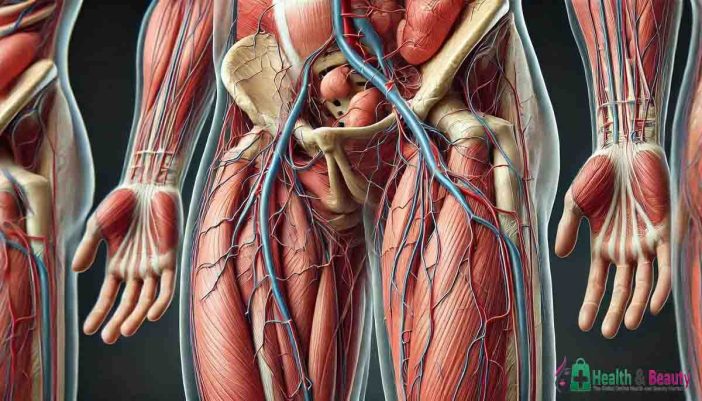
The superficial femoral artery is a vital blood vessel in your thigh, playing a crucial role in supplying blood to your lower limb. Understanding its function and health implications can help you maintain better vascular health and prevent potential complications. In this article, we’ll delve into the anatomy, function, and common issues associated with the superficial femoral artery, providing you with valuable insights to keep your legs healthy and strong.
Anatomy of the Superficial Femoral Artery
The superficial femoral artery is a key player in the circulatory system of the lower body. Starting as a continuation of the external iliac artery, it navigates its way down the thigh. This journey begins at the inguinal ligament, where the artery transitions into the femoral artery and continues to traverse the length of the thigh.
One notable landmark on this route is the femoral triangle. This triangular depression, located in the upper thigh, is formed by the inguinal ligament, the sartorius muscle, and the adductor longus muscle. Within this triangle, the superficial femoral artery runs alongside the femoral vein and nerve, making it a vital pathway for blood circulation in the leg.
As the artery progresses, it supplies oxygen-rich blood to the anterior compartment of the thigh, nourishing the muscles and tissues that facilitate movement and strength. The artery continues its path, passing through the adductor hiatus—an opening in the adductor magnus muscle. This passage marks the point where the artery transitions into the popliteal artery, which extends down to the knee and lower leg.
Throughout its course, the superficial femoral artery branches out into smaller arteries that provide blood to various parts of the thigh. These branches include the superficial epigastric artery, the superficial circumflex iliac artery, and the deep external pudendal artery, among others. Each branch plays a critical role in ensuring that the thigh muscles and skin receive adequate blood supply.
The intricate path of the superficial femoral artery highlights its importance in maintaining the health and functionality of the lower extremities. Proper blood flow through this artery is essential for muscle performance, tissue health, and overall leg function.
By understanding the anatomy and significance of the superficial femoral artery, we can better appreciate its role in our vascular health and take steps to protect it. Regular exercise, a balanced diet, and avoiding smoking can help maintain the health of this crucial artery and prevent conditions like peripheral artery disease.
To fully understand the journey of blood flow to the lower limbs, it’s essential to start with the external iliac artery, which precedes the superficial femoral artery. Learn more about the anatomy and significance of the external iliac artery and how it supports overall vascular health.
Function and Importance of the Superficial Femoral Artery
The superficial femoral artery plays a crucial role in the circulatory system by delivering oxygen-rich blood to the muscles and tissues of the thigh and lower leg. This arterial pathway is essential for maintaining the health and functionality of the lower extremities.
One of the primary functions of the superficial femoral artery is to ensure that the thigh and leg receive an adequate supply of oxygen and nutrients. This is vital for muscle performance, tissue repair, and overall leg strength. The artery branches into several smaller arteries, each catering to different parts of the lower limb. These branches include the superficial epigastric artery, which supplies blood to the skin and subcutaneous tissues of the lower abdomen, and the superficial circumflex iliac artery, which serves the lateral aspect of the thigh.
Another important branch is the superficial external pudendal artery, which supplies blood to the external genitalia and surrounding areas. These branches work collectively to ensure comprehensive blood circulation within the lower limb, contributing to the optimal function of the muscles, skin, and other tissues.
Key Branches of the Superficial Femoral Artery
- Superficial Epigastric Artery: Supplies the lower abdomen’s skin and subcutaneous tissues.
- Superficial Circumflex Iliac Artery: Provides blood to the lateral thigh area.
- Superficial External Pudendal Artery: Serves the external genitalia and adjacent regions.
- Deep External Pudendal Artery: Extends to the perineum, supporting reproductive and urinary organs.
- Profunda Femoris Artery: A major branch providing extensive support to the thigh muscles.
- Descending Genicular Artery: Supplies blood to the knee region.
This network of arteries ensures that all parts of the lower limb receive adequate blood supply, supporting various functions such as movement, sensation, and healing. Proper blood flow through the superficial femoral artery and its branches is crucial for preventing conditions like ischemia, where reduced blood flow can lead to tissue damage and pain.
Maintaining the health of the superficial femoral artery is essential for overall leg function. Regular physical activity, a balanced diet, and avoiding smoking are key strategies to keep this artery and its branches functioning optimally. By understanding the function and importance of the superficial femoral artery, we can take proactive steps to protect our vascular health and enhance our quality of life.
Bottom Line
Understanding the superficial femoral artery and its role in your vascular system is essential for maintaining leg health and preventing potential complications. By taking steps to support your vascular health, you can ensure that your legs remain strong and functional. Remember, a healthy lifestyle is key to keeping your arteries in top shape!