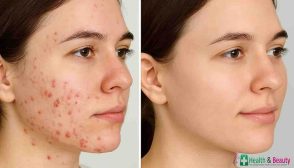
I still remember the day I first stared at that small, depressed crater on my cheek—a souvenir from puberty, a reminder of years spent in front of mirrors and under harsh bathroom lights. It felt like time had etched history into my skin, and no amount of makeup could truly erase it. So I scavenged the internet, pharmacies, and dermatologist offices, asking one burning question: Which is better, scar tape or scar sheets, for acne scars?
That question is not just mine. It belongs to anyone who’s traced the faint ridges left behind by pimples, who’s whispered promises to themselves: “If this fades, I’ll feel less self-conscious.” In that space of vulnerability, the battle becomes scientific, emotional, and personal.
In this article, we’ll explore Scar Tape vs Scar Sheets for Acne Scars in intimate detail. You’ll get real clinical data, practical tips, insider perspectives, and a clear roadmap to choose what fits you. Whether you’re new to silicone-based treatments or looking to optimize your routine, this guide aims to be your trusted compass.
Understanding the Contenders: What Are Scar Tape and Scar Sheets?
Before comparing, let’s define the two players:
- Scar tape — a narrow, flexible strip made of silicone (or coated with silicone gel), designed to stick directly over healed skin. It often comes in rolls or precut strips, intended to be worn 12–24 hours a day.
- Scar sheets (or silicone gel sheeting) — flat, broader sheets of medical-grade silicone, meant to overlay a scar area and usually reusable after washing.
Their conceptual difference is simple: tape is narrower, more flexible, maybe easier to wear on small patches; sheets cover larger areas and may offer more continuous contact.
Why Silicone-Based Therapy Is the “Go-To” in Scar Management
Even before debating tape vs sheet, it helps to understand why silicone matters in scar therapy. Silicone-based treatments are considered first-line for many scar types, especially hypertrophic and keloid scars.
How Silicone Works on Scars
- Occlusion and Hydration: Silicone forms a barrier, helping the scar region retain moisture and reduce water loss. This hydration regulates scar-forming fibroblasts.
- Tension Redistribution: Silicone tape or sheets redistribute tension from wound edges, reducing stimuli that worsen scar formation.
- Microclimate Effects: Slightly increasing temperature under the sheet/tape may help scar tissue mature.
- Barrier Protection: Silicone shields scars from friction, UV light, or external irritation.
Clinical research shows silicone reduces pigmentation, height, and hardness of scars compared to no treatment. A meta-analysis found significant improvements in pigmentation, scar height, and pliability. Interestingly, silicone gel and silicone sheets performed comparably in many trials.
So silicone works—but the real question is: does tape or sheet work better for acne scars?
Recent medical reviews highlight that silicone-based treatments remain one of the most studied options for scar management. Researchers have analyzed dozens of randomized trials showing consistent improvements in scar pigmentation, texture, and thickness when silicone is used correctly. These findings underline why patients and dermatologists often recommend silicone products as a first-line approach. For a detailed overview, you can read this comprehensive clinical review published in the International Wound Journal at Wiley Online Library.
Scar Tape vs Scar Sheets for Acne Scars: Head-to-Head Comparison
| Dimension | Scar Tape Advantages | Scar Sheet Advantages | Considerations |
|---|---|---|---|
| Contact & Conformity | Conforms better over uneven skin (cheeks, jawline) | Covers larger areas more evenly | Both struggle with depressed acne scars |
| Ease of Application | Easy to place, discrete | Covers bulk areas | Sheets may irritate in hot weather |
| Reusability | Often short-use | Reusable & washable | Must be cleaned carefully |
| Compliance | Less obtrusive | Set-and-forget coverage | Comfort varies by person |
| Evidence | Growing support in newer studies | More historic clinical trials | Direct acne scar studies are limited |
| Cost | Higher cost per unit area | More economical for coverage | Both need replacement |
| Risks | Less irritation due to small area | May trap sweat under skin | Both can cause redness or itching |
Specific Considerations for Acne Scars
| Factor | Key Insights |
|---|---|
| Type of Scar | – Atrophic scars (ice pick, rolling, boxcar) are less responsive to silicone. – Hypertrophic or raised acne scars may benefit more from tape or sheets. |
| Facial Movement | – Adhesives may peel off with smiling or sweating. – Narrow tape adapts better on mobile facial zones. |
| Pigmentation | – Silicone can reduce post-acne pigmentation slightly. – Daily sunscreen remains essential to prevent darkening. |
| Adjunct Therapies | – Microneedling, fractional lasers, and fillers often deliver better results for depressed scars. – Silicone may help maintain improvements after these treatments. |
Choosing Between Scar Tape and Scar Sheets
- Scar Tape: Best for small, curved areas, discreet wear, and mobile parts of the face.
- Scar Sheets: Best for larger flat areas like forehead or jawline.
- Combination: Use both depending on scar location.
How to Use Silicone Tape or Sheets Effectively
- Apply only on fully healed skin.
- Clean and dry skin before applying.
- Wear 12–24 hours daily; replace or wash as directed.
- Protect against sun exposure with SPF.
- Rest skin if irritation appears.
- Combine with other treatments but space applications.
- Track progress with monthly photos.
Real-World Experiences
- A woman using silicone tape on boxcar scars saw subtle fading and softer edges after three months, especially when combined with microneedling.
- Patients in tropical climates often report sheets being uncomfortable due to sweat, switching to tape for better tolerance.
Risks and When to See a Professional
- Silicone can cause mild irritation, redness, or itching.
- It won’t “fill in” deep acne scars.
- Consult a dermatologist if you have a history of keloids or severe scarring.
- Best results usually come from a combination of silicone with professional treatments.
Final Recommendation
Silicone-based therapy works, but expectations must be realistic.
- Scar tape: Convenient, flexible, better for small or curved scars.
- Scar sheets: Broader coverage, cost-effective, better for flat areas.
- For acne scars: Improvement is usually modest, most noticeable in raised scars.
- Best strategy: Use silicone consistently and combine with dermatologist-recommended procedures for stronger results.