
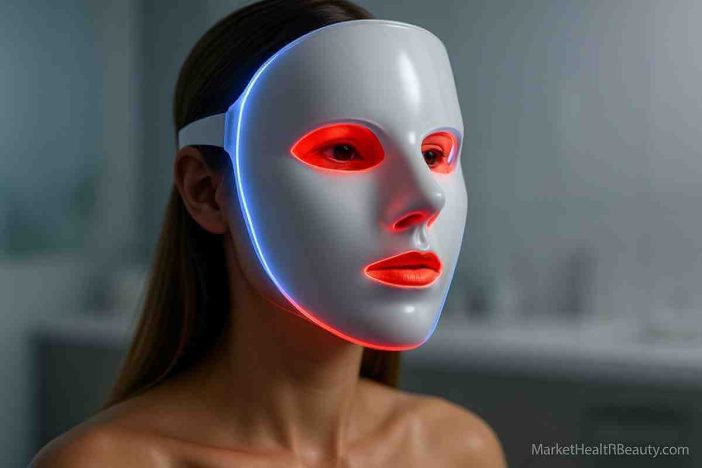
LED face mask benefits are becoming one of the most talked-about breakthroughs in skincare—and not without reason. These light-therapy devices, once used exclusively in dermatology clinics, are now accessible at home and deliver visible improvements for acne, aging, dark spots, and overall skin health. Today, dermatologists, aestheticians, and clinical researchers widely recognize LED therapy as a safe, non-invasive way to stimulate natural skin repair.
This updated guide breaks down the science, proven results, and expert-backed explanations behind LED face mask benefits—so you can understand exactly what they do and how to use them effectively.
What Exactly Are LED Face Mask Benefits—and How Do They Work?
LED (light-emitting diode) masks use specific wavelengths of light to influence biological activity in skin cells. Each color penetrates at different depths:
- Red light (620–750 nm): Boosts collagen, improves elasticity, reduces wrinkles.
- Blue light (405–420 nm): Kills acne-causing bacteria without irritating the skin.
- Green light: Targets melanin clusters to fade hyperpigmentation.
- Yellow/Amber light: Reduces inflammation and speeds up wound healing.
- Near-infrared light: Reaches deeper tissue, enhancing regeneration.
NASA originally used LED therapy to speed wound healing for astronauts. Today, dermatology clinics use similar technology for acne, photoaging, post-procedure recovery, and collagen remodeling.
Consistent use encourages the skin to repair itself—with no needles, chemicals, or downtime.
The Top 7 Clinically Proven LED Face Mask Benefits
1. Clears Acne and Prevents Future Breakouts
Blue LED light destroys Cutibacterium acnes bacteria while minimizing inflammation. Unlike harsh acne treatments, it doesn’t cause dryness or irritation.
✔ A 12-week clinical study reported 77% improvement in acne lesions with regular blue light therapy.
Pro tip: Use 3–4 sessions weekly for best results.
2. Reduces Wrinkles and Fine Lines
Red light penetrates the dermis and increases fibroblast activity, encouraging collagen and elastin production.
✔ A study in Photomedicine and Laser Surgery found 36% improved skin elasticity in eight weeks.
Users commonly notice smoother texture and reduced crow’s feet.
3. Brightens Skin Tone and Fades Dark Spots
Green and amber LED wavelengths help break up excess melanin, making them ideal for:
- Sun spots
- Post-acne marks
- Uneven tone
- Melasma (mild cases)
Visible improvements usually appear in 4–6 weeks.
4. Soothes Redness and Speeds Up Healing
Yellow and infrared lights increase circulation and support tissue repair—especially beneficial after:
- Microneedling
- Chemical peels
- Extractions
- Sun irritation
Users often report less redness and faster recovery.
5. Improves Product Absorption
LED therapy enhances cellular permeability. When applied after a serum, it helps ingredients penetrate deeper—especially:
- Hyaluronic acid
- Niacinamide
- Peptides
- Retinol (use with caution)
This makes your skincare work harder for you.
6. Encourages Stress Relief and Relaxation
The soft LED glow creates a sensory therapy effect that many users describe as calming. Lower stress equals fewer breakouts and healthier skin.
7. Gives Spa-Grade Results at Home
Modern LED masks deliver clinical-strength wavelengths with:
- No pain
- No recovery
- No professional appointment
This long-term cost efficiency is one reason LED masks are booming in the beauty market.
Are LED Face Masks Really Backed by Science?
Yes—more than a decade of studies confirm the benefits:
✔ Dermatologic Surgery (2018): LED masks are “effective, safe, and non-invasive” for acne and photodamage.
✔ Lasers in Surgery and Medicine: Significant improvements in fine lines, pore size, and skin roughness using red light therapy.
✔ The American Academy of Dermatology (AAD) also recognizes LED therapy as a research-backed skincare tool.
For a deeper look at red and blue light mechanisms, readers can explore this detailed guide to red light therapy from HealthBeautyIdea, which explains cellular interactions and device recommendations.
As you explore how LED masks deliver their skin-boosting effects, you may find it helpful to visit our guide on Therapeutic Light Therapy. This resource explains how each wavelength interacts with your skin at the cellular level and why certain colors work better for acne, aging, or inflammation. It also provides real examples and practical insights so you can understand the science behind these improvements. You can follow the link to get a clearer, science-backed picture of how light therapy enhances your skincare results.
How to Use an LED Face Mask for Maximum Results
- Cleanse skin thoroughly
- Apply serum (optional but enhances results)
- Use mask for 10–20 minutes
- Stick to 2–4 sessions per week
- Track progress for 3–6 weeks
LED masks build improvements gradually—not overnight.
Recommended LED Face Mask Devices (Editor’s Picks)
Dr. Dennis Gross SpectraLite FaceWare Pro
✔ FDA-cleared, fast results, 3 light modes
CurrentBody Skin LED Mask
✔ Soft silicone design, red + infrared combination
Omnilux Contour Face
✔ Clinical-grade technology for sensitive and aging skin
Who Should Avoid LED Masks?
Not suitable for people with:
- Photosensitive medical conditions (e.g., lupus)
- Those taking photosensitizing medications
- Pregnant individuals (consult OB-GYN)
Always check safety instructions and talk to a dermatologist before starting therapy.
Final Thoughts
If you’re looking for a safe, science-backed skincare upgrade, LED face masks offer a powerful blend of results, relaxation, and long-term skin health. With consistent use, they can improve acne, aging, tone, hydration, and overall glow—making them one of the most effective at-home beauty tools available today.


