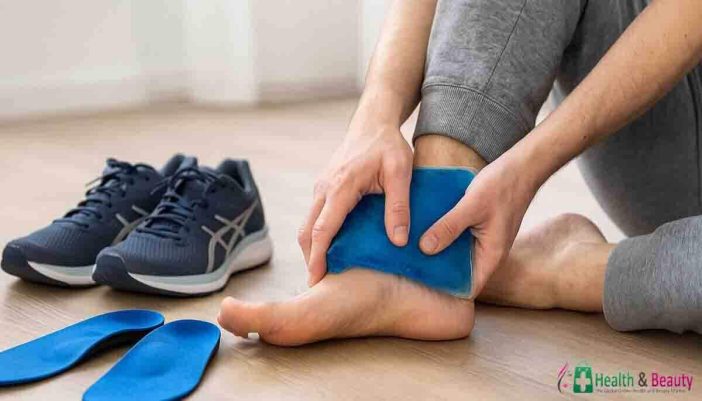
How To Cure Heel Spurs may be the question on your mind if every step you take feels like you’re walking on a knife. Heel spurs can sneak up quietly but leave a lasting impact—turning your morning routine or a simple walk into a painful experience. These bony outgrowths at the bottom of your heel often come hand-in-hand with inflammation, sharp stabbing pain, and a serious interruption to your daily life.
But here’s the good news: you don’t have to live with that pain forever.
Whether you’re dealing with a mild discomfort or a more intense case, there are fast, effective methods that can help you feel better—starting today. From simple at-home remedies to expert-approved treatments, this article reveals 7 proven ways to relieve heel spur pain and get you back on your feet—literally.
A comprehensive understanding of foot anatomy is essential in addressing heel spurs effectively. The foot comprises various bones, including the calcaneus (heel bone), which plays a pivotal role in weight-bearing and movement. Delving into the structure and function of these bones can shed light on the development of heel spurs and inform preventive measures. For an in-depth exploration of foot bone anatomy and common issues, refer to this detailed guide: Bones of the Foot: Understanding Structure, Function, and Health
Let’s dive into what really works—because you deserve to move without pain.
How To Cure Heel Spurs
If you feel the pain at the bottom of the foot near the heel, pain after exercise or activity, or the pain that was first felt in the morning or after sitting in quite a long time, you may be suffering from heel spurs. The cure for healing heel spurs have not been found, but you can take steps to ease the pain and ultimately cure this condition.
Proper Footwear
Wearing the right footwear plays a critical role in how to cure heel spurs. Improper or unsupportive shoes can aggravate pressure on the heel bone, making the pain worse and slowing healing.
Why Supportive Shoes Matter
Supportive shoes help distribute weight evenly, reduce pressure on the plantar fascia, and minimize inflammation around the heel spur. According to the American Podiatric Medical Association (APMA), shoes with proper arch support and shock absorption can significantly reduce heel pain.
Recommended Features in Footwear
- Firm arch support
- Cushioned heel to absorb shock
- Wide toe box for foot comfort
- Rigid sole for stability
Trusted Brands Podiatrists Recommend
- Brooks Ghost or Adrenaline GTS
- Asics Gel series
- New Balance 990 or 1080 series
- Orthofeet
- Hoka One One Bondi
Bonus Tip – Use Orthotic Inserts
Orthotics help by aligning the foot properly and cushioning the heel. Over-the-counter options like Dr. Scholl’s or custom-made orthotics from a podiatrist can make a huge difference.
Heel spurs are bony growths that develop on the underside of the heel bone, often causing discomfort and pain during walking or standing. Understanding the structure of the foot and common bone-related issues can provide insight into preventive measures and treatments. For a comprehensive overview of foot anatomy and related problems, including heel spurs, you can refer to this detailed article: How Many Bones are in the Foot and 6 Foot Bones Problems You Should Know
Cold Therapy
Cold therapy is one of the fastest-acting home remedies for how to cure heel spurs and reduce associated inflammation.
How Cold Therapy Works
Applying ice to the heel reduces inflammation, swelling, and pain by constricting blood vessels and numbing nerve endings. Studies show that icing can reduce pain perception by up to 40% in plantar fasciitis and heel spur cases.
Step-by-Step Application
- Wrap a cold pack or a bag of frozen peas in a towel.
- Apply to the heel for 15–20 minutes.
- Repeat 2–3 times daily, especially after physical activity.
Best Times to Use Cold Therapy
- After long periods of standing or walking
- After exercise
- First thing in the morning to reduce stiffness
Stretching Exercises
Stretching is a foundational part of how to cure heel spurs, especially if tight calf or plantar fascia muscles are contributing factors.
Why Tight Muscles Matter
Tightness in the Achilles tendon and plantar fascia creates tension on the heel bone, encouraging spur formation and increasing pain.
3 Easy Daily Stretches
- Calf Stretch Against the Wall: Hold for 30 seconds, repeat 3x per leg.
- Plantar Fascia Stretch (Seated): Sit and pull toes toward you, hold for 20–30 seconds.
- Towel Stretch: Loop towel around foot and gently pull. Hold for 30 seconds.
Frequency
Perform each stretch twice daily for optimal results, especially in the morning and after physical activity.
Maintaining overall bone health is crucial in preventing conditions like heel spurs. Incorporating a balanced diet rich in calcium and vitamin D, engaging in regular weight-bearing exercises, and avoiding smoking can significantly strengthen bones. Adopting these practices not only aids in the prevention of heel spurs but also promotes general skeletal well-being. Explore effective strategies for bone health in this comprehensive article: 10 Effective Ways How to Keep Bones Healthy & Strong.
Anti-Inflammatory Medication
Nonsteroidal anti-inflammatory drugs (NSAIDs) are a common, short-term solution for how to cure heel spurs by reducing pain and swelling.
Common Over-the-Counter Options
- Ibuprofen (Advil, Motrin)
- Naproxen (Aleve)
How They Help
These medications block prostaglandins, compounds that trigger inflammation. This results in reduced heel pressure, swelling, and discomfort.
Caution and When to Seek Medical Advice
- Don’t exceed the recommended dosage.
- Avoid long-term use without doctor supervision.
- Consult a physician if you have ulcers, kidney issues, or are taking other medications.
Physical Therapy
Seeing a physical therapist is a highly effective approach in how to cure heel spurs, especially for chronic or severe cases.
How PT Targets the Root Cause
- Improves muscle flexibility
- Strengthens foot and ankle muscles
- Corrects gait or posture issues
Common Techniques Used
- Manual massage therapy
- Ultrasound therapy to reduce tissue inflammation
- Custom exercise programs focused on strengthening and mobility
When to Consider PT
- Pain persists beyond 2–3 weeks of home care
- Recurring heel pain
- Limited mobility or gait changes
Corticosteroid Injections
For moderate to severe pain, corticosteroid injections may be part of the solution for how to cure heel spurs, providing fast relief from inflammation.
When They’re Used
- When conservative treatments (ice, stretching, meds) don’t work
- When pain significantly limits daily activity
Benefits
- Quick pain relief—usually within 48–72 hours
- Long-lasting effect (weeks to months)
- Reduces inflammation around the heel
Risks & Side Effects
- Temporary pain flare-up after injection
- Fat pad atrophy if overused
- Not suitable for frequent, repeated use.
Minimally Invasive Procedures
In cases where all conservative methods fail, minimally invasive procedures are a last-resort but effective option for how to cure heel spurs.
1. Extracorporeal Shock Wave Therapy (ESWT)
- Delivers acoustic waves to the heel to stimulate healing.
- Non-invasive with a 70–80% success rate.
- Usually performed over 3–5 sessions.
2. Radiofrequency Ablation
- Uses heat to disable nerves transmitting pain.
- Minimally invasive and done under local anesthesia.
- Relief can last from months to years.
When to Consider Surgery
If the heel spur is large, causing nerve impingement, or pain has lasted more than 12 months, your podiatrist may recommend heel spur removal surgery. While rare, it can offer permanent relief if all else fails.
Bottom Line
How To Cure Heel Spurs is not a one-size-fits-all journey, but with the right mix of care, patience, and persistence, healing is absolutely within reach. From supportive footwear to innovative medical procedures, each method offers a unique path toward relief and restored mobility. The key lies in listening to your body, acting early, and staying consistent with treatment. By taking a proactive approach and combining these evidence-backed strategies, you empower yourself to step forward—pain-free and confident.