
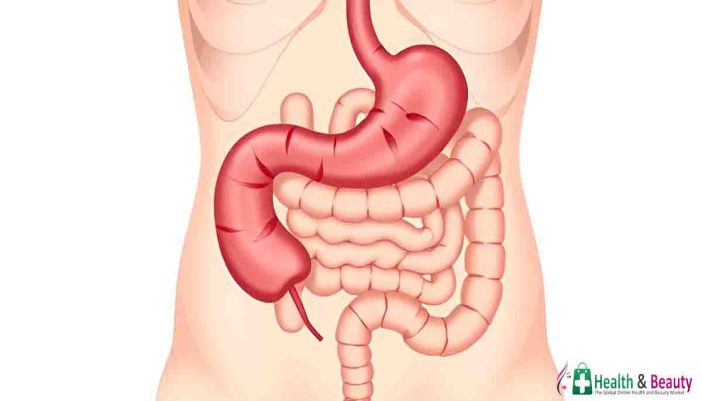
Pancreatitis is a severe medical condition characterized by inflammation of the pancreas, an organ located behind the stomach. The pancreas plays a crucial role in digestion by producing enzymes that aid in breaking down food and also secretes hormones for blood sugar regulation.
When the pancreas is inflamed, the enzymes can leak into the abdominal cavity and damage the surrounding tissues and organs. This can cause severe pain, nausea, vomiting, fever, and other complications.
Pancreatitis can be acute or chronic. Acute pancreatitis is a sudden and severe inflammation that usually lasts for a few days. Chronic pancreatitis is a long-lasting inflammation that causes permanent damage to the pancreas and its function.
Both types of pancreatitis can have various causes, such as gallstones, alcohol abuse, trauma, infections, medications, genetic disorders, and autoimmune diseases.
Pancreatitis can be life-threatening if not treated promptly and properly. Therefore, it is important to know how to cure pancreatitis and prevent its recurrence. In this article, we will provide you with a complete guide on how to cure pancreatitis, including the symptoms, diagnosis, treatment, and prevention of this condition.
The pancreas is an organ that produces enzymes to assist digestion and insulin to manage glucose, it is located in the upper abdomen. Pancreatitis arises when there is inflammation of the pancreas, which trigger malabsorption of nutrients.
This condition can happen suddenly or become chronic, which can cause damage to the pancreas in the long term. Symptoms that generally happens is nausea, vomiting, fever, sweating, breathing rapidly, and abdominal pain.
Pancreatic disease or pancreatitis is divided into two, among others:
- Acute pancreatitis is a disease or inflammation of the pancreas in a short time. Acute pancreatitis is an inflammation of the pancreas brief attacks appear suddenly and disappear after a few days.
- Chronic pancreatitis is a disease or inflammation of the pancreas at the long time.
Acute pancreatitis is lighter and can be treated completely. However, the attack is unpredictable; in some cases, the pain is not so noticeable. However, in other cases, this condition can progress and become a life-threatening health problems.
If left, there is the possibility of complications such as tissue damage, bleeding, infection, cysts, and damage to other organs such as the kidneys, heart, and lungs.
Symptoms of Pancreatitis
The most common symptom of pancreatitis is abdominal pain that radiates to the back. The pain can be mild or severe, depending on the extent of the inflammation. The pain can also vary in duration, frequency, and intensity. Some people may experience constant pain, while others may have episodes of pain that come and go. The pain can be triggered or worsened by eating, especially fatty or spicy foods, drinking alcohol, or lying down.
Other symptoms of pancreatitis may include:
- Nausea and vomiting
- Loss of appetite and weight loss
- Bloating and indigestion
- Diarrhea or constipation
- Fever and chills
- Jaundice (yellowing of the skin and eyes)
- Dehydration and low blood pressure
- Rapid heartbeat and breathing
- Confusion and anxiety
- Bleeding and bruising
- Swelling and tenderness of the abdomen
If you have any of these symptoms, especially severe or persistent abdominal pain, you should seek medical attention immediately. Pancreatitis can lead to serious complications, such as:
- Pancreatic necrosis (death of pancreatic tissue)
- Pancreatic pseudocyst (a fluid-filled sac in or around the pancreas)
- Pancreatic abscess (a pus-filled infection in the pancreas)
- Pancreatic fistula (an abnormal connection between the pancreas and another organ)
- Malabsorption (poor digestion and absorption of nutrients)
- Diabetes (high blood sugar levels due to reduced insulin production)
- Sepsis (a life-threatening infection that spreads throughout the body)
- Multiple organ failure (a failure of two or more organs to function properly)
Diagnosis of Pancreatitis
To diagnose pancreatitis, your doctor will ask you about your medical history, symptoms, and risk factors. Your doctor will also perform a physical examination, focusing on your abdomen and vital signs. Your doctor may order some tests to confirm the diagnosis and determine the cause and severity of your condition. These tests may include:
Blood tests
These tests measure the levels of pancreatic enzymes, such as amylase and lipase, in your blood. High levels of these enzymes indicate pancreatitis. Blood tests can also check for signs of infection, inflammation, dehydration, anemia, and liver or kidney problems.
Urine tests
These tests measure the levels of amylase and other substances in your urine. High levels of these substances indicate pancreatitis or other conditions that affect the pancreas.
Stool tests
These tests measure the levels of fat and other substances in your stool. High levels of these substances indicate malabsorption due to pancreatitis or other digestive disorders.
Imaging tests
These tests use X-rays, ultrasound, CT scan, MRI, or endoscopic ultrasound (EUS) to produce images of your pancreas and other abdominal organs. These images can show the size, shape, and structure of your pancreas, as well as the presence of gallstones, pseudocysts, abscesses, or necrosis.
Biopsy
This test involves taking a small sample of tissue from your pancreas and examining it under a microscope. This test can help diagnose the cause and type of pancreatitis, as well as rule out cancer or other diseases.
Endoscopic retrograde cholangiopancreatography (ERCP)
This test involves inserting a thin, flexible tube (endoscope) through your mouth, throat, and stomach into your small intestine.
A dye is injected through the endoscope into the bile ducts and pancreatic ducts, which are the tubes that carry bile and pancreatic juice to the intestine. X-rays are then taken to show the flow of the dye and reveal any blockages or abnormalities in the ducts.
How To Cure Pancreatitis
A person who suffers from pancreatitis needs to get treatment in the hospital. A general doctor or gastroenterologist, medical professionals who have particular expertise in the diagnose and treat a disease that attacks the gastrointestinal tract.
Because, pancreatitis has a wide negative impact on the body, many pancreatitis treatment centers are available. In addition, a specialist pancreatic disease also widely available to assist in the treatment and handling.
The treatment of pancreatitis depends on the type, cause, and severity of your condition. The main goals of treatment are to relieve your pain, control your inflammation, prevent or treat complications, and address the underlying cause of your condition.
The purpose of the treatment of pancreatitis are:
- To relieve the pain.
- To prevent and combat the risk of malnutrition.
- To keep the patient’s condition remains stable.
Treatment options for pancreatitis include:
Medications
Your doctor may prescribe you medications to relieve your pain, reduce your inflammation, prevent or treat infections, lower your blood pressure, control your blood sugar, or replace your digestive enzymes. You should take your medications as directed by your doctor and inform your doctor of any side effects or interactions.
Fluids and nutrition
You may need to receive fluids and nutrients through a vein (intravenous) or a tube that goes through your nose into your stomach (nasogastric). This can help prevent or treat dehydration, malnutrition, and electrolyte imbalance.
You may also need to follow a special diet that is low in fat, high in protein, and rich in vitamins and minerals. Your doctor or dietitian can advise you on the best foods and drinks for your condition.
Surgery
You may need surgery to remove gallstones, drain pseudocysts or abscesses, repair fistulas, or remove part or all of your pancreas. Surgery can also help relieve pressure or blockage in your bile ducts or pancreatic ducts.
Surgery can be done through a large incision (open) or several small incisions (laparoscopic) in your abdomen. The type and extent of surgery depend on your condition and your doctor’s recommendation.
Endoscopic procedures
You may need endoscopic procedures to remove gallstones, place stents, or perform other interventions in your bile ducts or pancreatic ducts.
Endoscopic procedures can be done through an endoscope that is inserted through your mouth or through a small incision in your abdomen. Endoscopic procedures can be less invasive and have fewer complications than surgery, but they may not be suitable for everyone.
Lifestyle changes
You may need to make some lifestyle changes to prevent or reduce the recurrence of pancreatitis. These changes may include:
- Quitting smoking
- Limiting or avoiding alcohol
- Losing weight if you are overweight or obese
- Managing stress
- Exercising regularly
- Avoiding foods or medications that trigger or worsen your condition
Prevention of Pancreatitis
The best way to prevent pancreatitis is to avoid or treat the factors that cause or contribute to it. These factors may include:
- Gallstones: You can prevent gallstones by following a healthy diet that is low in fat and cholesterol and high in fiber and water. You can also take medications or undergo surgery to dissolve or remove gallstones if you have them.
- Alcohol abuse: You can prevent alcohol abuse by limiting or avoiding alcohol consumption. You can also seek help from your doctor, counselor, or support group if you have a problem with alcohol addiction or dependence.
- Trauma: You can prevent trauma by wearing seat belts, helmets, and protective gear when driving, riding, or playing sports. You can also avoid situations or activities that may expose you to violence or injury.
- Infections: You can prevent infections by practicing good hygiene, washing your hands, and avoiding contact with sick people. You can also get vaccinated against diseases that may affect your pancreas, such as hepatitis, mumps, or measles.
- Medications: You can prevent medication-induced pancreatitis by taking your medications as prescribed by your doctor and informing your doctor of any side effects or interactions. You can also avoid or limit the use of medications that may harm your pancreas, such as steroids, antibiotics, or diuretics.
- Genetic disorders: You can prevent genetic disorders by knowing your family history and getting tested for any inherited conditions that may affect your pancreas, such as cystic fibrosis, hereditary pancreatitis, or familial hypertriglyceridemia.
- Autoimmune diseases: You can prevent autoimmune diseases by maintaining a healthy immune system and avoiding triggers that may cause inflammation or damage to your pancreas, such as gluten, dairy, or environmental toxins.
FAQ
Here are some frequently asked questions about pancreatitis and their answers:
What is the difference between acute and chronic pancreatitis?
Acute pancreatitis is a sudden and severe inflammation of the pancreas that usually lasts for a few days. Chronic pancreatitis is a long-lasting inflammation of the pancreas that causes permanent damage to the pancreas and its function.
How is pancreatitis diagnosed?
Pancreatitis is diagnosed by a combination of medical history, physical examination, and laboratory and imaging tests.
These tests can measure the levels of pancreatic enzymes, blood cells, and other substances in your blood, urine, and stool. They can also show the size, shape, and structure of your pancreas and other abdominal organs.
How is pancreatitis treated?
Pancreatitis is treated by medications, fluids and nutrition, surgery, endoscopic procedures, and lifestyle changes. The treatment depends on the type, cause, and severity of your condition.
The main goals of treatment are to relieve your pain, control your inflammation, prevent or treat complications, and address the underlying cause of your condition.
How can I prevent pancreatitis?
You can prevent pancreatitis by avoiding or treating the factors that cause or contribute to it. These factors may include gallstones, alcohol abuse, trauma, infections, medications, genetic disorders, and autoimmune diseases.
You can also follow a healthy diet, quit smoking, lose weight, manage stress, exercise regularly, and avoid foods or medications that trigger or worsen your condition.
Bottom Line
Pancreatitis is a serious condition that requires prompt and proper medical attention. If you have symptoms of pancreatitis, such as severe or persistent abdominal pain, nausea, vomiting, fever, or jaundice, you should seek medical help immediately.
Pancreatitis can be cured by medications, fluids and nutrition, surgery, endoscopic procedures, and lifestyle changes.
However, the best way to cure pancreatitis is to prevent it from happening in the first place. By following a healthy lifestyle and avoiding or treating the risk factors, you can reduce your chances of developing pancreatitis and enjoy a better quality of life.
Thank you very much for reading How To Cure Pancreatitis, hopefully useful.